


 844-937-8679


 844-937-8679
How to become a registered nurse (RN)
This article was updated on April 21, 2026.

Written by Michael Feder
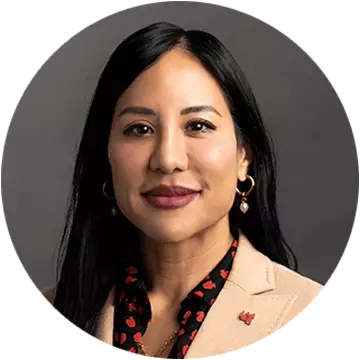
This article was reviewed by Raelene Brooks, Dean, College of Nursing.

There are plenty of reasons why students choose to go into nursing and explore how to become a registered nurse. On an emotional level, a nursing career can be very fulfilling. A career spent helping people when they鈥檙e at their most vulnerable provides a sense of both purpose and gratification. Not surprisingly, a 2024 survey of nearly 8,000 registered nurses found that 92% were聽
Why consider learning how to become a registered nurse?
On a practical level, when looking at how to become a registered nurse, know that job openings are typically plentiful within the nursing field. Now more than ever the demand for qualified registered nurses聽聽鈥� meaning that those who complete the proper training, including education and necessary licenses, will enjoy considerable opportunity when they graduate. In addition, RNs have the potential to enhance their career with a variety of roles after earning advanced degrees, like a聽Master of Science in Nursing聽(MSN).
There are steps that aspiring registered nurses must take for entry into the field, but if their goal is to open additional nursing career opportunities, they may wish to consider pursuing a bachelor鈥檚 degree in nursing. Here鈥檚 a closer look at how to accomplish this goal and choose the right nursing program.
Overview of how to become a registered nurse
Generally speaking, aspiring registered nurses must attend a nursing school, obtain the required education and then pass a national standardized exam, primarily the聽National Council Licensure Exam聽(NCLEX-RN庐). In addition, RNs must meet all licensing requirements for the state in which they choose to work.
These steps are necessary for everyone who wants to know how to become a registered nurse. However, obtaining an RN licensure may only be the start of a nursing career. Nursing brings opportunities for specialization, increased responsibility and continued education.
1. Complete nursing education requirements
The first step in any medical career is to聽choose the appropriate education. Individuals who want to become an RN need to select a nursing school. Those who are considering how to become a registered nurse have several options to choose the educational path that fits their time frame and career goals.
The minimum education required for an RN is a diploma in nursing. However, it is common for nurses to have an associate or bachelor鈥檚 degree in nursing as well. Typically, a diploma in nursing or an associate degree to achieve an RN license takes at least two years to complete. Upon graduation, 聽the next step in becoming a registered nurse is typically taking and passing the NCLEX-RN examination. 聽
Although a聽Bachelor of Science in Nursing (BSN)聽typically takes four years to complete, it is often preferred by employers in the healthcare industry, and it is helpful for career enhancement.
Some bachelor鈥檚 nursing programs provide an opportunity for RNs who already have an associate degree in nursing and wish to enhance their professional education by聽pursuing a BSN聽to transfer credits and save time and money on their degree.
Regardless of the nursing degree choice, it's important to ensure that a chosen nursing school and program are accredited. The U.S. Department of Education approves two independent organizations to oversee accreditation 鈥� the聽听(础颁贰狈庐) and the聽聽(CCNE). Those researching how to become a registered nurse should only choose a program accredited by one or both of these bodies.
2. Pass the national nursing exam
After successfully graduating from nursing school, candidates are qualified to take the NCLEX-RN. The exam is computerized, and a聽passing score is 鈥�0 logits,"聽which is achieved by answering a specific number of questions correctly. This is an adaptive test in which questions are weighted according to their level of difficulty. Candidates need to answer between 75 and 145 questions, depending on their performance. The test automatically stops when a passing or failing score is achieved.
Unfortunately, if the candidate fails, they cannot retake it for 45 days. Because of this and the test鈥檚 difficulty, it is essential to properly prepare for the NCLEX. This includes聽making time to study at home聽and聽using effective test prep methods聽for the best chance of success.
It might also help to聽design a multi-week course of study, take practice exams and review the material with peers. With a well-planned approach, candidates can feel more confident when they head into the testing center.
3. Obtain certifications and local licenses
Another part of the process of how to become a registered nurse is certification and licensure. According to the National Council of State Boards of Nursing (NCSBN), there are聽three steps, in general, for obtaining a nursing license聽in the state you plan to work in:
- Provide proof of education from an accredited nursing program
- Show documentation of a passing score on the NCLEX-RN
- Pass a background check (in most states)聽
In most states, nurses can start the process by filling out an application online.
Depending on the area of specialization and employer, they may need to obtain additional certifications. Some employers may require specific certifications, but these can also help nurses become better educated in patient care and demonstrate expertise in their field. Some examples of certifications include:
- Critical Care Registered Nurse聽
- Certified Emergency Nurse
- Certified Pediatric Nurse
- Certified Ambulatory Care Nurse
Consider a nursing specialty
After obtaining licensure as a registered nurse, RNs can then progress into a nursing specialty based on their interests, career plans and opportunities.
Here are examples of nursing specialties to consider:
- A pediatric nurse聽specializes in providing care to patients 18 and under.
- A dermatology nurse聽works with patients who have skin conditions or undergo cosmetic procedures.
- A case management nurse聽works with patients who require ongoing care because of an illness or a condition.
- A neonatal nurse聽works with infants in the first few weeks after birth.
- An oncology nurse聽cares for cancer patients.
- An orthopedic nurse聽works with patients with bone and joint injuries and conditions.
- A hospice nurse聽provides care for patients with terminal illnesses.聽
Career enhancement opportunities for RNs
Because of the high demand for qualified specialists, it is relatively easy for RNs to continue their education. Many registered nurses return to school to earn a higher degree, such as a bachelor's degree, after working professionally.
Nursing bridge programs also enable a nurse to move from another healthcare area directly into a nursing degree program.
Even with an聽Associate Degree in Nursing (ADN) or BSN, enhancing a nursing career and gaining a nursing specialty often requires聽obtaining an MSN with a concentration in administration. An MSN can provide specific skills for a chosen area. For example, if a nurse wants to work in administration, they may wish to consider obtaining a Master of Nursing degree with a concentration in Administration.聽
Nursing compared to entry-level health careers
After knowing how to become a registered nurse, compare an RN to other healthcare positions. Registered nurses are qualified to provide direct patient care in a variety of settings. Entry-level workers in healthcare, on the other hand, typically focus on one service, provide non-medical care or support nursing staff.
Here are some examples of entry-level positions:
- A nurse's aide聽performs basic, non-medical tasks in support of the nursing staff.
- A home health aide聽assists patients with daily non-medical tasks such as bathing, dressing, cleaning and meal prep.
- A lab technician聽collects and organizes specimens in a lab.
- A patient service representative聽communicates with patients and helps them plan or schedule treatments or appointments.
If a nurse likes the idea of helping others or having a career that directly affects people鈥檚 lives, becoming a registered nurse could be a good career choice. For those who may be聽uncertain about their career path, note that the demand for registered nurses continues to increase.
How to become a registered nurse with enhanced skills
If you followed through on how to become a registered nurse and are currently an RN, 91制片厂 offers a programmatically accredited nursing program for registered nurses that include an聽RN to BSN degree online聽as well as a聽competency-based (CB) RN to BSN.
Contact UOPX for more information.


ABOUT THE AUTHOR
A graduate of Johns Hopkins University and its Writing Seminars program and winner of the Stephen A. Dixon Literary Prize, Michael Feder brings an eye for detail and a passion for research to every article he writes. His academic and professional background includes experience in marketing, content development, script writing and SEO. Today, he works as a multimedia specialist at 91制片厂 where he covers a variety of topics ranging from healthcare to IT.
ABOUT THE REVIEWER
Dr. Raelene Brooks, dean of the College of Nursing, has been a registered nurse for more than 25 years and practiced extensively in the areas of ICU, trauma and critical care.聽Her publications include a focus on nursing education, critical care, and organizational wellness and engagement. She is a leader in creating, guiding and launching innovative curriculum.

This article has been vetted by 91制片厂's editorial advisory committee.聽
Read more about our editorial process.