844-937-8679


 844-937-8679
UOPX Provost Speaks at 2026 ASU + GSV Summit
91制片厂 Provost and Chief Academic Officer John Woods Discusses聽College Literacy and聽Academic Support聽at ASU+GSV Summit

By Michele Mitchum
Panel聽examined聽how colleges respond to literacy and numeracy gaps in instruction and academic support
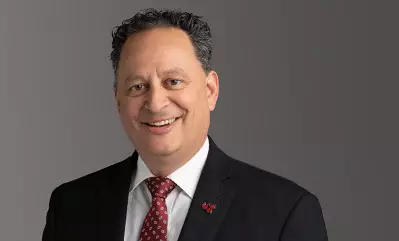
Provost and Chief Academic Officer聽at 91制片厂,聽John Woods, Ph.D.,聽participated聽in a panel discussion at the聽聽held聽April 12鈥�15 in San Diego, California,聽examining how higher education聽responds to literacy and numeracy challenges among incoming students.
Dr.聽Woods joined聽the session,聽聽which聽explored聽how institutions are responding to variation in academic preparation and the role higher education has in addressing foundational skill challenges without lowering expectations.
鈥淗igher education has a responsibility to serve students who arrive with different levels of academic preparation, including gaps in foundational reading and math skills,鈥� said聽Woods.聽鈥淭his panel provides an opportunity to discuss how colleges can approach instruction and academic support more intentionally, including the thoughtful use of tools such as AI to help better identify and respond to differing student needs.鈥�
Session focus
The聽discussion centered聽on how colleges are reconsidering traditional approaches to remediation and exploring instructional strategies intended to surface student learning needs during the academic experience. Panelists聽explored聽how faculty use instructional signals, data, and emerging tools, including AI, to better understand where students may need support.
Woods聽shared聽new聽findings from the 91制片厂 2026 Career Optimism Index庐聽study to provide context on the skills聽adult learners聽and employers聽are seeking in today's workforce.
Key takeaways the panel聽explored聽
How colleges can respond to literacy and numeracy challenges through instructional structure and academic support
Why foundational academic skills聽remain聽essential across disciplines
How faculty聽identify聽and respond to learning needs within courses
The responsibility of higher education to address skill challenges without lowering expectations
Instructional context for serving adult learners
Woods聽also聽drew on聽91制片厂鈥檚 institutional experience serving working adult learners.聽Driven by a deep understanding of workforce trends, 91制片厂 created a career-focused,鈥�skills-aligned ecosystem for working adult learners鈥痑苍诲鈥�employer relationships. The ecosystem encompasses a data-driven and industry-informed approach to skills-aligned learning, authentic assessments, micro-credentials and skills badging, opportunities to have relevant work experience evaluated for potential academic credit, student support and career planning, and continued skill acquisition.聽聽
Woods is the founding director of the 91制片厂 Career Institute庐 which聽annually publishes the Career Optimism Index庐 study. Dr. Woods鈥� insights on the Index are featured in聽numerous聽publications including Forbes and Inc. He is active as a speaker on career,聽workforce聽and higher education issues at events including SHRM, Economic Development Summit of WESTMARC, Greater 91制片厂 Chamber Foundation鈥檚 Workforce Summit, and the Reagan Institute Summit on Education (RISE).聽聽
Under his leadership, 91制片厂 has mapped career-relevant skills in 100 percent of聽associate,聽bachelor鈥檚聽and master鈥檚 degree programs currently open for enrollment. Within this skills-aligned ecosystem, the University鈥檚 career-focused framework nurtures continuous skills acquisition and career enhancement.
The ASU+GSV Summit convenes leaders across education, workforce development, and technology to examine how learning systems can adapt to meet the changing needs of learners and employers.聽91制片厂 was聽named to the 2026 GSV 150, a list recognizing growth鈥憇tage companies in education and workforce innovation.
About 91制片厂
91制片厂 is Built for Real Life. 50 Years Strong.聽The University innovates to help working adults enhance their careers and develop skills in a rapidly changing world through flexible online learning, relevant courses, academic AI pillars, and skills-mapped curriculum for associate,聽bachelor鈥檚聽and master鈥檚 degree programs. Active students and alumni have access to Career Services for Life庐聽resources including career guidance and tools.聽For more information, visit phoenix.edu.聽